When Rockstar Games released the first trailer for Grand Theft Auto 6 in December 2023, it did more than just break viewership records. It ignited an obsessive, community-wide cartography project. For years, players have traversed the sun-bleached asphalt of Southern San Andreas, memorizing every corner of Los Santos. But as the industry prepares for a return to Vice City, the burning question remains: how does the scale of the upcoming state of Leonida compare to the playground of Grand Theft Auto 5?
This is not just a question of raw square mileage. It is a question of density, memory budget limits, rendering pipeline changes, and how the RAGE 9 engine handles asset streaming across vastly different biomes. By analyzing official trailer frames, patent applications, and the massive data sets compiled by the community-driven GTA VI Mapping Project, we can dissect the physical and structural differences between these two massive maps.
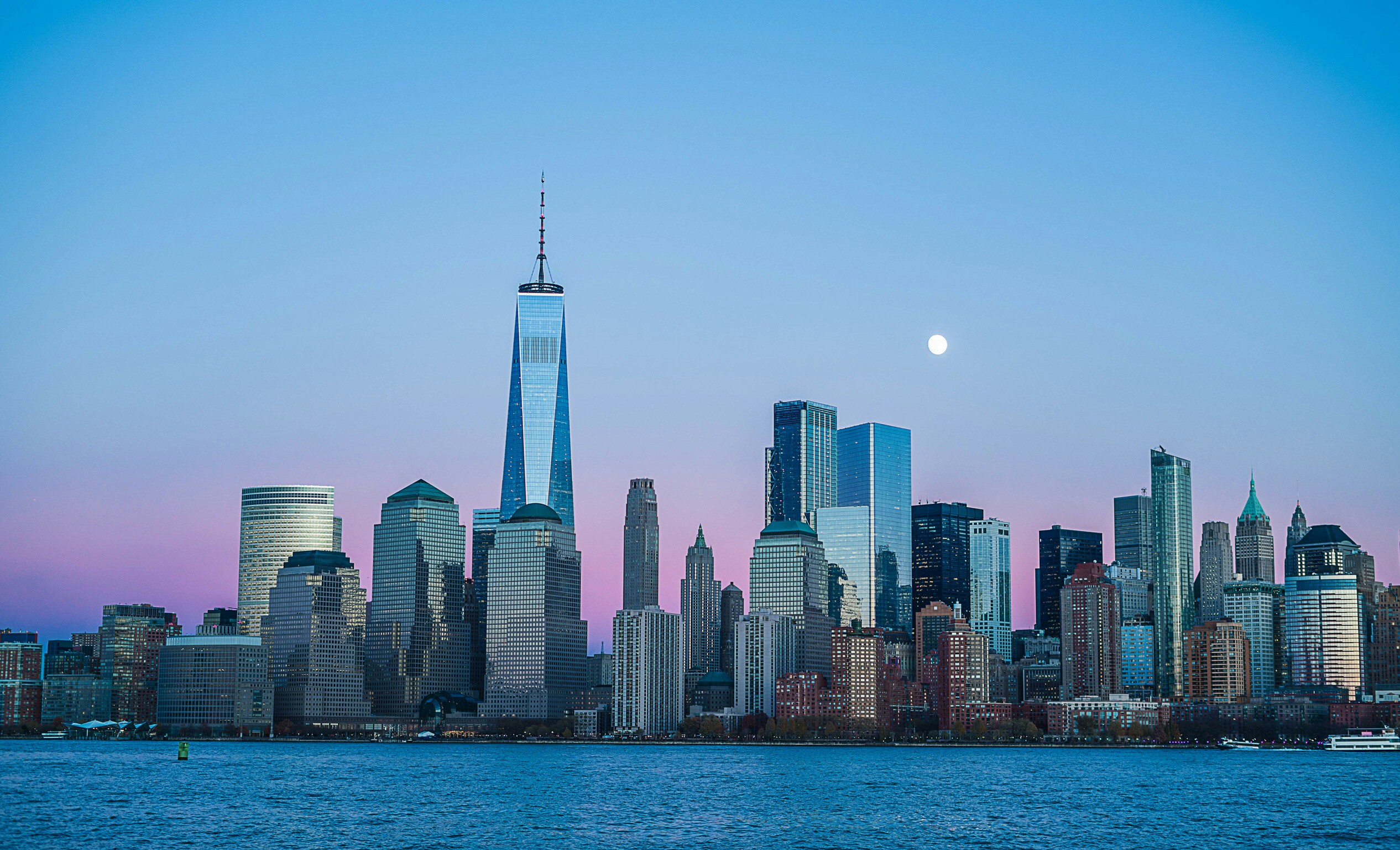
*The neon-drenched streets of Vice City represent only a fraction of the massive state of Leonida.*
---
## The Core Metrics: Comparing Leonida to Southern San Andreas
To understand the sheer scale of the **GTA 6 Map Size vs GTA 5**, you have to look at the math behind the coordinate systems. Grand Theft Auto 5’s map, which includes Los Santos and Blaine County, measures roughly 75 to 81 square kilometers (around 29 to 31 square miles) depending on whether you calculate the outer ocean boundaries.
The GTA VI Mapping Project—a highly collaborative effort utilizing coordinate data from the historic September 2022 leaks, road sign angles, and trailer triangulation—estimates that the state of Leonida is at least **2.3 to 2.5 times larger** than Southern San Andreas.
This puts the landmass of GTA 6 somewhere between 180 and 200 square kilometers. However, scale in modern game design is a deceptive metric. A massive map filled with empty space feels far smaller than a highly dense, vertically complex urban environment.
In GTA 5, a significant portion of the northern map consists of Mount Chiliad and its surrounding mountain ranges. While visually impressive, these mountains serve a dual purpose: they act as natural sightline blockers to ease the console hardware's rendering load, and they force players to drive around them, artificially extending travel times.
Leonida, based on real-world Florida, presents a completely different geographical challenge for Rockstar’s level designers. Florida is notoriously flat. Without massive mountain ranges to hide distant assets, the RAGE 9 engine must rely on advanced Level of Detail (LOD) rendering passes, volumetric fog, and curvature-of-the-earth calculations to maintain a believable horizon without tanking the frame rate.
If you want to see how this translates to real-world locations, check out our deep dive into the [GTA 6 Real-World Map vs Vice City: How Leonida Recreates Miami, the Keys, and the Everglades](/news/what-city-is-gta-6-based-on-real-world-map-vice-city-guide).
---
## Detailed Comparison Table: Leonida vs. Southern San Andreas
Below is a technical breakdown comparing the estimated metrics of Leonida against the established, concrete data of GTA 5's map.
| Metric / Feature | GTA 5 (Los Santos & Blaine County) | GTA 6 (Leonida State - Estimated) | Technical Significance |
| :--- | :--- | :--- | :--- |
| **Total Map Area** | ~75 - 81 $km^2$ | ~180 - 200 $km^2$ | More than double the physical footprint of GTA 5. |
| **Urban Landmass** | ~18 $km^2$ (Los Santos metro) | ~45 - 50 $km^2$ (Multiple city centers) | Multiple distinct metropolitan hubs instead of one major city. |
| **Enterable Interior Ratio** | Estimated < 10% of total buildings | Estimated 30% - 40% of key urban structures | Radically changes urban combat, stealth, and exploration mechanics. |
| **Peak Elevation** | 798 meters (Mount Chiliad) | Estimated < 150 meters (Rolling hills/high-rises) | Forces reliance on vertical architecture (skyscrapers) rather than terrain. |
| **Major Waterways** | Alamo Sea, Zancudo River | Extensive Everglades canals, Keys archipelago, deep ocean | Requires advanced fluid simulation and varied watercraft. |
| **Major Highway Loops** | 1 Main Loop (Senora Freeway) | Multiple intersecting interstate systems (I-97, etc.) | Prevents repetitive driving routes and enhances high-speed pursuit options. |
| **Unique Biomes** | 3 (Desert, Forest, City) | 6+ (Swamp, Keys, Urban Neon, Suburbs, Farmland, Beaches) | Demands highly varied asset libraries and dynamic physics profiles. |
---
## Analyzing the Biomes: Beyond the Neon of Vice City
GTA 5’s map suffers from what players call the "monocentric city design." You have the dense, hyper-detailed city of Los Santos in the south, and once you cross the Vinewood Hills, you enter a vast, relatively empty expanse of desert and scrubland. It is a great playground, but it can feel lonely and empty once you finish the main campaign.
Leonida solves this by introducing a polycentric map design. Instead of one massive city and a barren backyard, GTA 6 features multiple distinct urban hubs separated by wildly different ecological zones.
### 1. The Vice City Metropolitan Area
This is the heart of the map. Based on Miami, it includes Starfish Island, Vice Beach, and the downtown financial districts. The trailer highlights a level of pedestrian density never before seen in an open-world game.
The RAGE 9 engine utilizes a revamped memory allocation system to stream hundreds of unique NPCs, each with distinct pathfinding AI, clothing variations, and reaction matrices. The streets are wider, the alleys are tighter, and the verticality is driven by towering luxury condominiums rather than granite cliffs.
### 2. The Grasslands and the Everglades
To the west of the glittering skyscrapers lies the Leonida Everglades (likely named the "Gator Keys" or "Grasslands" in-game). This is a massive, waterlogged expanse of sawgrass, mangrove forests, and shallow channels.
Navigating this area requires specialized vehicles like airboats. From a design perspective, the Everglades present a massive challenge for physics engines. The water must interact dynamically with the thick mud, displacing realistically when a vehicle passes through.
For players looking to explore the secrets hidden within these murky waters, we have mapped out some of the most intriguing rumors, including the [GTA 6 Leonida Everglades Hidden Drug Submarine Shipwreck Coordinates](/news/gta-6-everglades-drug-submarine-location-coordinates-guide).

*The coastal biomes of Leonida require highly advanced water physics and dynamic wave deformation engines.*
### 3. The Leonida Keys
Based on the real-world Florida Keys, this is a long, sweeping archipelago connected by a series of massive overseas bridges. This biome introduces a unique tactical element to **GTA 6 gameplay**.
Bridges act as natural choke points. If you trigger a high-level wanted rating in the Keys, escaping won't be as simple as ducking down a Los Santos alleyway. You will have to contend with tight, multi-mile highway stretches suspended over deep water, making helicopter pursuits and police roadblocks incredibly deadly.
To understand how the law enforcement mechanics will adapt to this challenging geography, read our comprehensive breakdown of the [GTA 6 Wanted System Overhaul: How Advanced Police AI, License Plate Tracking, and Search Zones Work](/news/gta-6-police-ai-wanted-system-overhaul-guide).
---
## The Density Factor: Why Scale is Deceptive
If you talk to veteran level designers, they will tell you that map scale is a vanity metric. The real test of an open-world map is its volumetric density.
In GTA 5, the vast majority of buildings are "shells"—solid boxes with high-resolution textures slapped on the outside. You cannot enter them, and you cannot interact with them. They exist purely as visual obstacles.
```
GTA 5 Building Structure:
[Exterior Shell (Solid Physics)] ---> No Interior / No Interaction
GTA 6 Building Structure:
[Exterior Shell] ---> [Dynamic Portal Transition] ---> [Fully Rendered Interior (Loot/Stealth/Cover)]
```
Leaks and Rockstar patent filings suggest that GTA 6 is taking a completely different approach to interior spaces. The developers are aiming for a massive increase in enterable buildings.
We are talking about fully realized supermarkets, gas stations, dive bars, apartment complexes, and warehouses. This changes the core loop of the game. A police chase in Vice City doesn't have to end on the street; you can ditch your car, sprint through a crowded shopping mall, exit through a service corridor, and slip away into the subway system.
This level of interior depth requires immense CPU processing power. To make this work on current-generation consoles (PS5 and Xbox Series X/S), Rockstar has had to make tough decisions.
The advanced physics processing, real-time ray-traced global illumination, and dynamic memory streaming are simply too demanding for older hardware. This design philosophy explains why the developers are focusing purely on modern systems, a topic we cover in detail in our analysis of [Will GTA 6 Be on PS4 and Xbox One? Why Rockstar Is Leaving Last-Gen Consoles Behind](/news/gta-6-on-ps4-last-gen-consoles-explained).
---
## How the Community Mapped Leonida Before the Official Release
The creation of the speculative Leonida map is one of the most fascinating stories in modern gaming history. When the pre-alpha development footage leaked in late 2022, it contained raw console outputs displaying engine coordinates (X, Y, and Z axes) for various assets, camera positions, and player locations.
```
Example of Leak Coordinate Mapping:
Player Position: X: -3142.5, Y: 1845.2, Z: 15.3 <--- Inputted into Cartesian Grid
Camera Angle: 184.2 Degrees <--- Used to triangulate distant landmarks
```
A group of dedicated fans, programmers, and GIS (Geographic Information System) analysts took this raw data and began plotting it onto a Cartesian grid. By matching the coordinate markers with the visual landmarks shown in the footage—such as the Port of Vice City, the stadium, and various highway signs—they began to construct a remarkably accurate skeleton of the map.
When Trailer 1 dropped in December 2023, the mapping community used photogrammetry and triangulation to verify their coordinate-based models. By analyzing the angles of the skyscrapers in the background of the beach shots, they confirmed the distance between the coastline and the downtown core.
The resulting community map reveals a world that isn't just wide, but incredibly complex, featuring winding river deltas, isolated swamp towns, and massive industrial zones that make Los Santos look like a prototype.
---
## Navigation and Travel: The Mechanical Impact of a Massive Map
A larger map fundamentally alters how you play the game. In GTA 5, you can steal a high-end sports car and drive from the southern tip of Los Santos to the northern shore of Paleto Bay in roughly five to seven minutes. The map feels tight, and the highway system is a simple, singular loop.
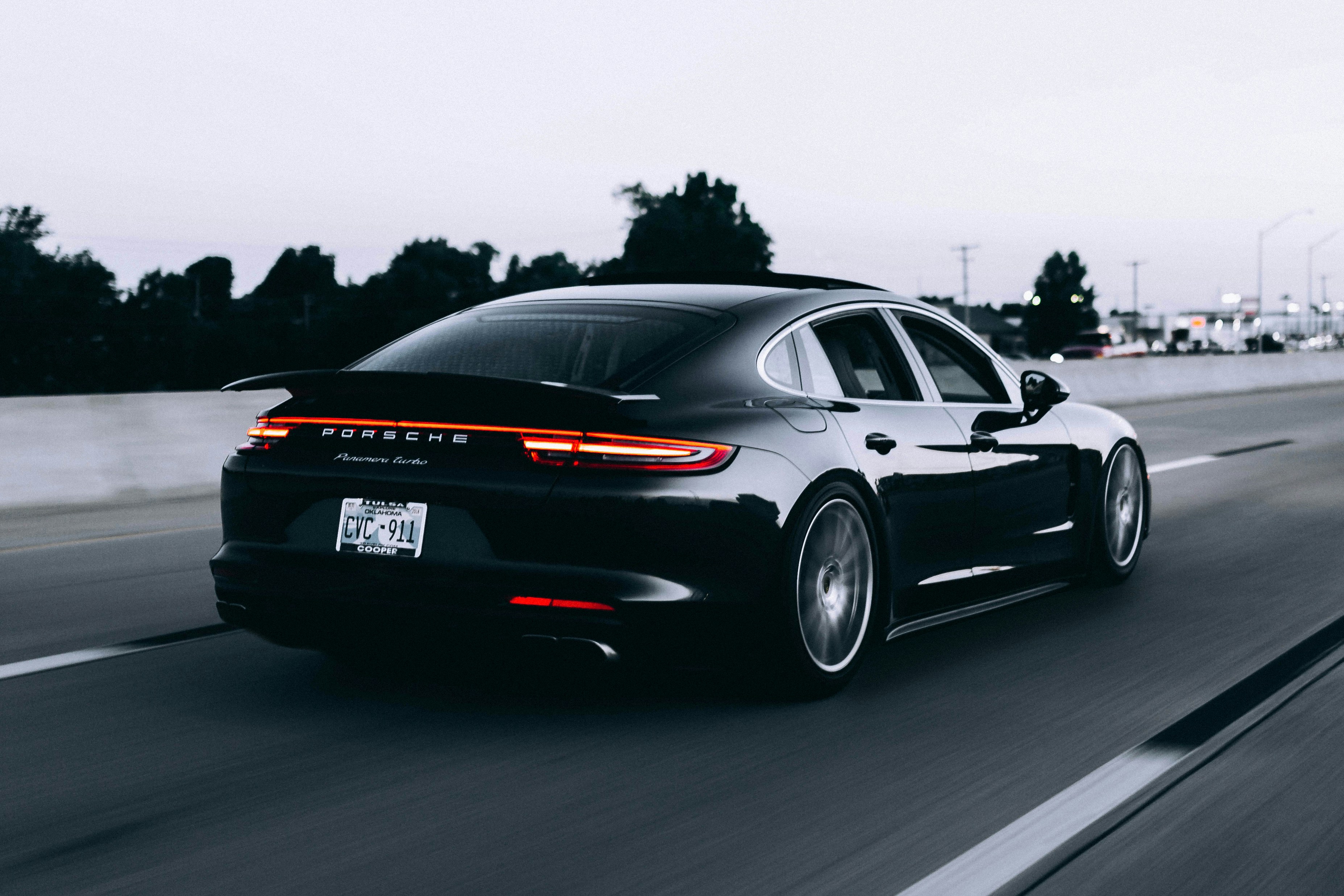
*Traversing the vast highways of Leonida will require vehicles tuned for long-distance stability and raw top-end speed.*
In GTA 6, traversing the entire state of Leonida will be a journey. Driving from the southern tip of the Keys, through the Everglades, and up to the northernmost boundaries of the map could easily take fifteen to twenty minutes of continuous, high-speed driving.
This scale demands a more robust vehicle physics model. Body roll, tire traction on varying surfaces (sand, mud, wet asphalt), and aerodynamic drag will play a much larger role in how vehicles handle.
> **[PRO-GAMER HACK]:**
> When navigating the long, exposed highway stretches of the Leonida Keys, do not rely on standard supercars. The lack of natural cover makes you an easy target for police helicopters. Instead, prioritize vehicles with high off-road capabilities or utilize airboats along the coastal shallows to break line-of-sight beneath the massive bridge spans.
Furthermore, the scale of the map will put a heavy emphasis on vehicle customization and tuning. Players will need to optimize their rides for specific terrains.
If you are planning to run contraband through the swamps, a low-slung exotic car will bottom out and get stuck in the mud. You will need lifted suspensions, off-road tires, and snorkels to survive.
To prepare your garage for these harsh environments, take a look at our guide on [GTA 6 Off-Road Suspension Benches: Best Locations for Lift Kits](/news/gta-6-off-road-suspension-benches-lift-kits-garage-guide).
> **[ROOKIE MISTAKE TO AVOID]:**
> Do not attempt to cross the Everglades on foot or in a standard street vehicle. The deep water slows your movement speed by up to 60%, and the dynamic wildlife AI—specifically the highly aggressive alligators—will target slow-moving players instantly. Always secure an airboat or a high-clearance 4x4 before venturing off the main highway.
---
## Frequently Asked Questions (FAQ)
### How much bigger is the GTA 6 map than the GTA 5 map?
Based on the GTA VI Mapping Project's coordinate analysis, the state of Leonida is estimated to be 2.3 to 2.5 times larger than GTA 5's map (Los Santos and Blaine County combined). This translates to a physical landmass of approximately 180 to 200 square kilometers, compared to GTA 5's roughly 75 to 81 square kilometers.
### Will GTA 6 feature multiple cities?
Yes. Unlike GTA 5, which focused almost entirely on the single metropolitan area of Los Santos, GTA 6's Leonida will feature multiple distinct urban areas. These include Vice City (Miami), Port Gellhorn (modeled after Panama City/Fort Myers), and several smaller surrounding towns, agricultural hubs, and suburban settlements.
### Are the buildings in GTA 6 enterable?
While not every single building will be enterable, Rockstar is significantly increasing the ratio of interior-to-exterior spaces compared to previous games. Patent filings and leak data suggest that a substantial percentage of commercial buildings, such as restaurants, gas stations, motels, and pawn shops, will have fully rendered, interactive interiors to support stealth, robberies, and dynamic escapes.
### Will the map grow over time?
There are long-standing industry rumors and reports suggesting that Rockstar Games plans to expand the map of GTA 6 post-launch. This modular design philosophy could allow developers to add new islands, cities, or landmasses via major online updates, reducing the file size at launch while ensuring the game remains fresh for years to come.
### How does the flatness of Leonida affect gameplay compared to GTA 5's mountains?
The flat topography of Leonida (based on Florida) removes the massive visual barriers of GTA 5's mountain ranges. To keep the game challenging and visually interesting, Rockstar is replacing mountain climbing with vertical urban exploration (skyscrapers, multi-level parking structures) and complex horizontal navigation, such as winding swamp channels, dense forests, and long, vulnerable overseas highways.
---